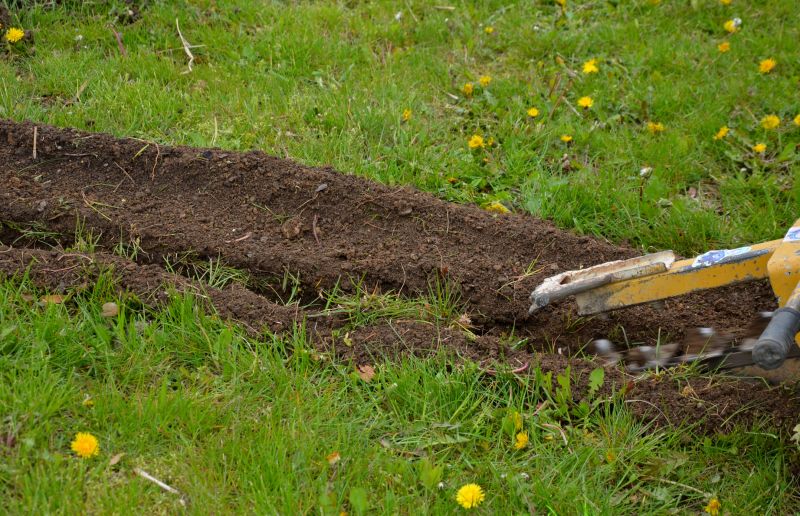
Ditch Digging in Salt Lake City, UT
Ditch digging services involve the excavation of narrow trenches or larger channels within residential properties to facilitate the installation, repair, or replacement of underground utilities and systems. Common projects include laying new sprinkler lines, installing drainage systems, setting up electrical or cable conduits, and preparing sites for irrigation or landscaping features. Property owners typically want to understand the scope of excavation, the depth and width of trenches needed, and any potential disruptions to their yard or landscape during the process.
Before requesting ditch digging services, homeowners should consider the location of existing underground utilities to prevent accidental damage. It’s also helpful to determine the specific dimensions required for the project and any permits or approvals that may be necessary. Clear communication about the project’s purpose, site conditions, and desired outcomes can ensure the excavation work proceeds smoothly and aligns with property owners’ expectations.
Many property owners in Salt Lake City, UT look into Ditch Digging for repairs, replacements, upgrades, and appearance-related improvements.
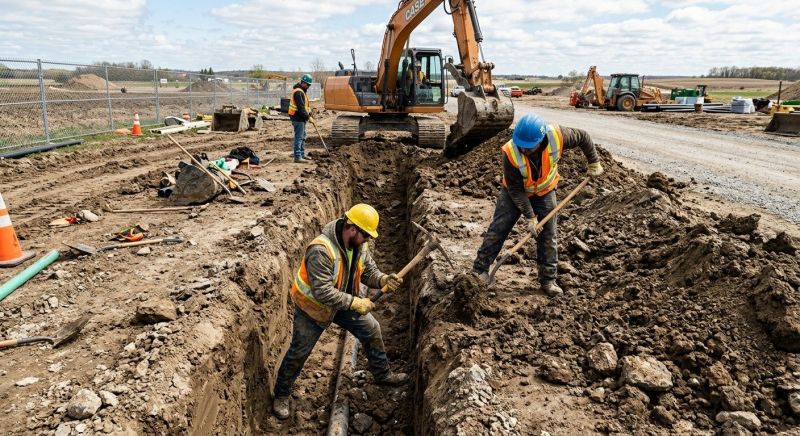
Residential Ditch Digging
Preparing yards for sprinkler systems, drainage, and landscaping projects in salt lake city, ut.
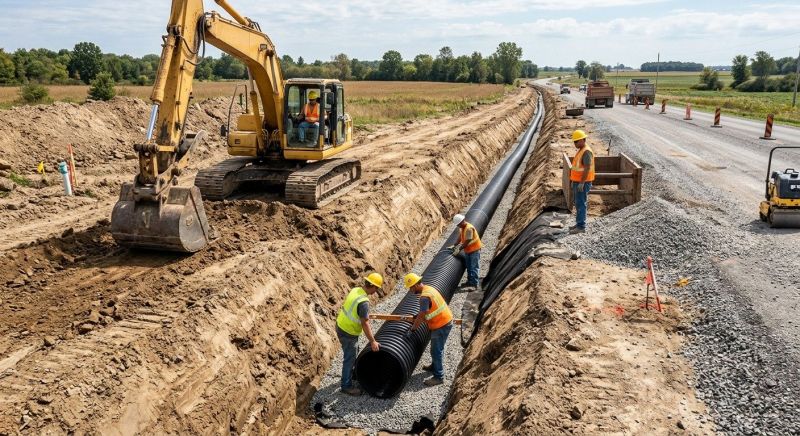
Utility Line Installation
Creating trenches for electrical, water, or gas lines to ensure safe and efficient connections.
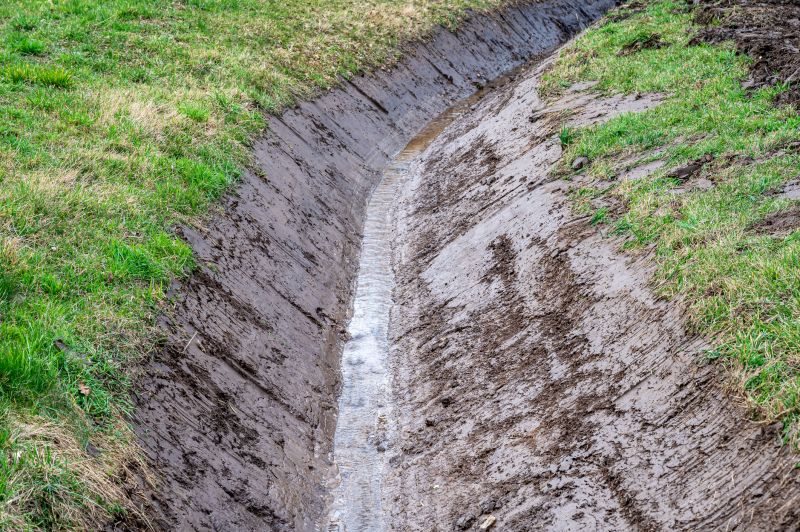
Drainage System Setup
Installing or repairing drainage channels to prevent water pooling around properties in salt lake city, ut.
Ditch Digging in Salt Lake City, UT
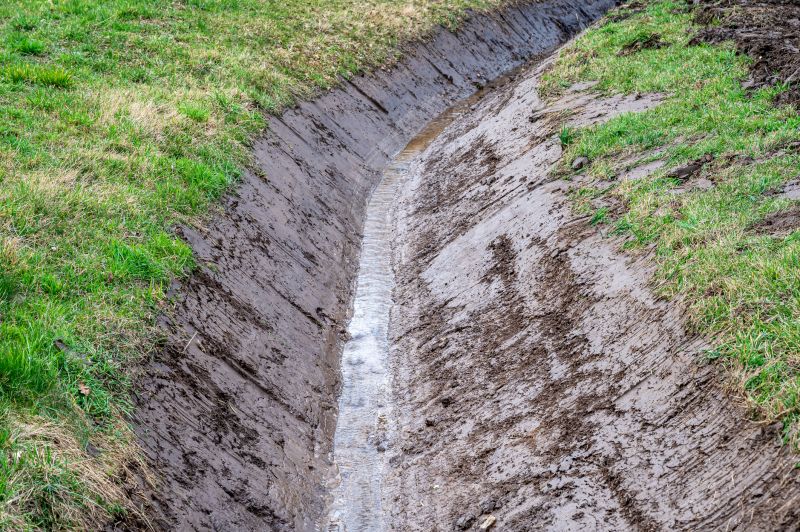
Ditch digging services involve the excavation of narrow trenches or larger channels within residential properties to facilitate the installation, repair, or replacement of underground utilities and systems. Common projects include laying new sprinkler lines, installing drainage systems, setting up electrical or cable conduits, and preparing sites for irrigation or landscaping features. Property owners typically want to understand the scope of excavation, the depth and width of trenches needed, and any potential disruptions to their yard or landscape during the process.
Before requesting ditch digging services, homeowners should consider the location of existing underground utilities to prevent accidental damage. It’s also helpful to determine the specific dimensions required for the project and any permits or approvals that may be necessary. Clear communication about the project’s purpose, site conditions, and desired outcomes can ensure the excavation work proceeds smoothly and aligns with property owners’ expectations.
Many property owners in Salt Lake City, UT look into Ditch Digging for repairs, replacements, upgrades, and appearance-related improvements.
Common Ditch Digging Jobs
Drainage System Installation - excavating trenches for proper water flow and drainage.
Sewer Line Replacement - replacing or repairing underground sewer pipes.
Utility Line Installation - digging for new water, gas, or electrical service lines.
Foundation Drainage Solutions - creating trenches to prevent water buildup around foundations.
Landscape Drainage Projects - installing drains to manage surface and subsurface water.
Stormwater Management - creating channels and drains to direct rainwater away from property.
Ditch Digging Questions
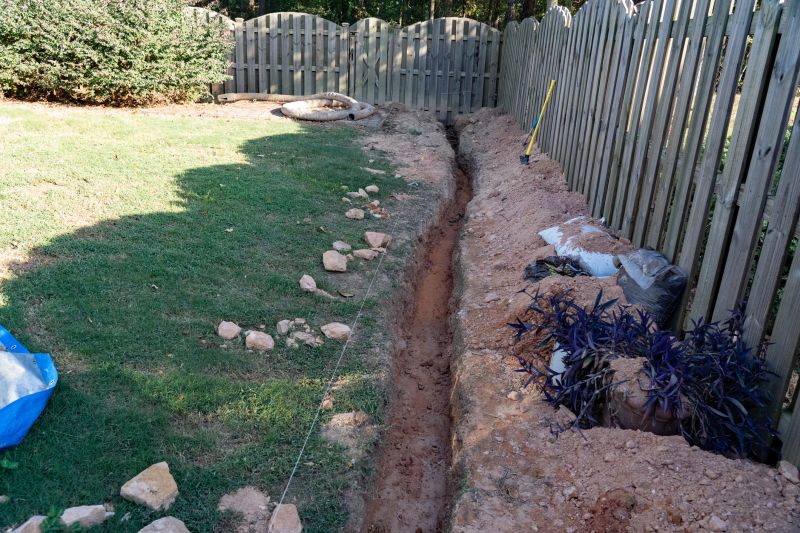
What types of projects require ditch digging? Ditch digging is commonly used for drainage systems, underground utilities, and irrigation setups on residential properties.
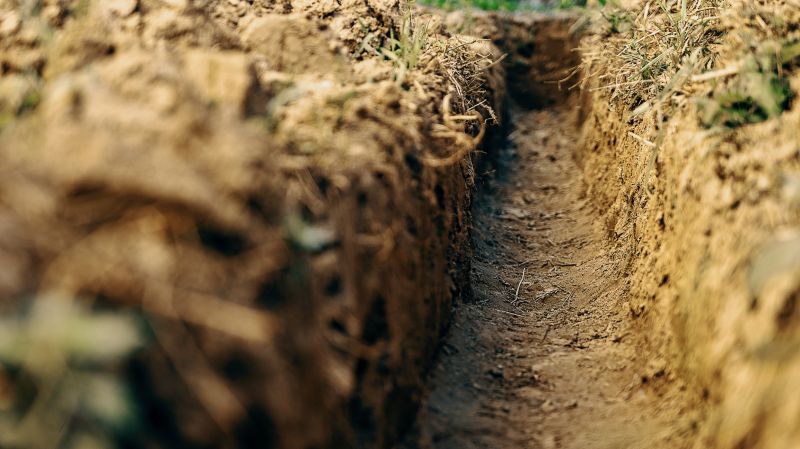
How deep can a typical ditch be? The depth of a ditch depends on its purpose, but standard residential ditches usually range from 6 to 24 inches deep.
Are there any property considerations before digging a ditch? It's important to check for existing underground utilities and property lines before beginning ditch work.
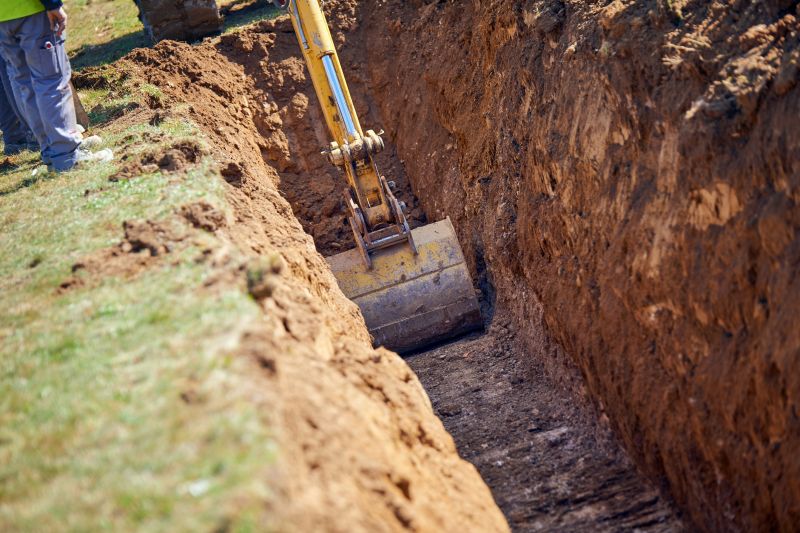
What equipment is used for ditch digging? Heavy-duty excavators and trenchers are typically used to efficiently create ditches for various projects.
Request Ditch Digging in Salt Lake City, UT
Use the quote form on this page to share the basics of your project and request more information for the type of work you need.