What’s Involved in Professional Land Clearing?
People searching for professional land clearing are typically looking to remove trees, brush, and debris to prepare land for development, and local service providers can handle these tasks efficiently.
Understanding what’s involved in professional land clearing can be an important step for property owners considering this type of work. Whether preparing land for new construction, creating space for farming, or simply managing overgrown areas, the process often includes several key steps such as removing trees, brush, and debris, as well as grading and leveling the terrain. Local contractors who specialize in land clearing have the experience and equipment to handle these tasks efficiently and safely, making the process smoother and more predictable for property owners.
Exploring this topic can help property owners make informed decisions about the scope and approach of their land clearing projects. Engaging with experienced service providers ensures that the job meets local regulations and land conditions, while also addressing practical concerns like access, safety, and future land use. Keep reading to learn more about what’s involved in professional land clearing and how local contractors can assist in transforming overgrown or unused land into a functional space tailored to specific needs.
- Tree and brush removal - when clearing a site for development or landscaping, local contractors efficiently remove unwanted vegetation to prepare the land. Stump grinding and removal - after tree removal, pros handle stump extraction to ensure a smooth, obstacle-free surface for future use. Land grading and leveling - for projects requiring proper drainage or a flat surface, local service providers reshape the terrain as needed. Debris hauling and disposal - clearing large amounts of cleared material involves removing and responsibly disposing of debris to leave the site ready for next steps. Selective clearing and site prep - when only certain areas need clearing, local pros customize their approach to meet specific project requirements.
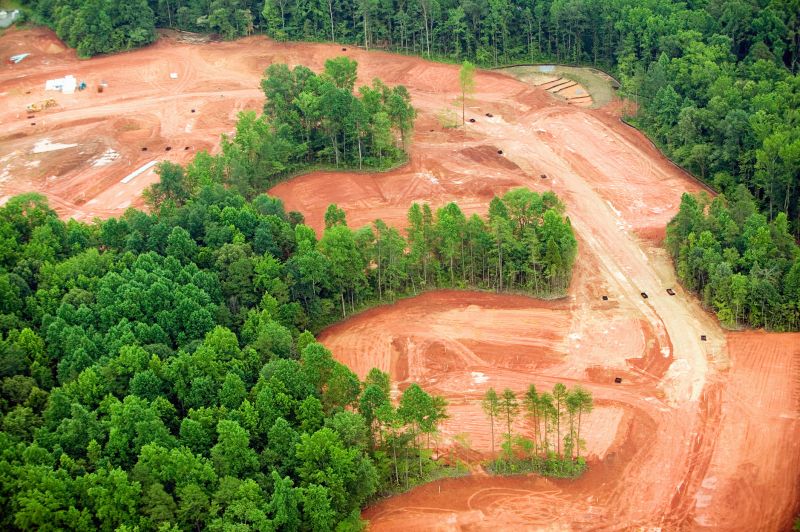
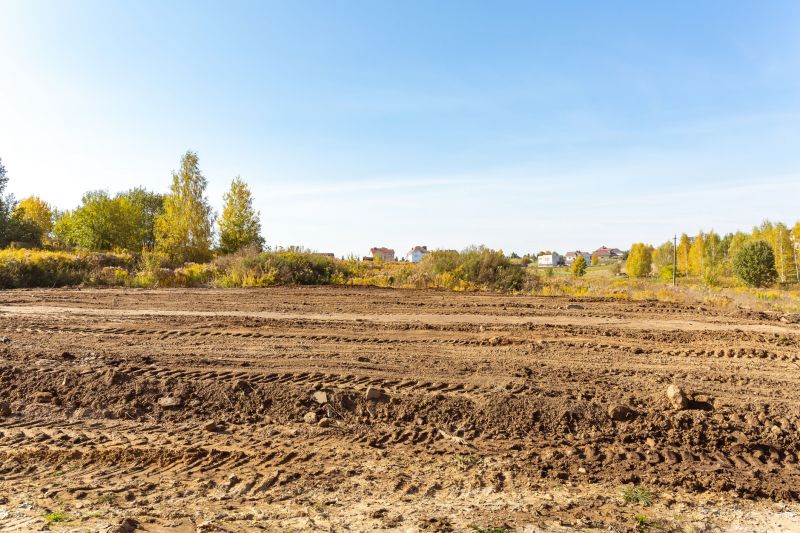
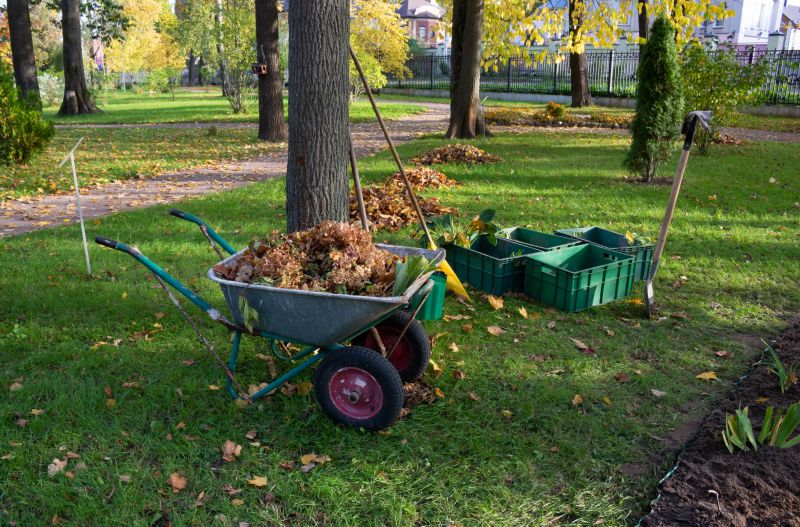
When people search for what’s involved in professional land clearing, they are often looking to understand the scope and process behind preparing a property for development, farming, or landscaping projects. Land clearing typically involves removing trees, shrubs, stumps, and other vegetation to create a clean, accessible space. Homeowners and property owners may be considering land clearing for a variety of reasons, such as building a new home, expanding an existing yard, or establishing a farm or recreational area. Understanding what’s involved helps them gauge the complexity of the work and decide whether to hire experienced local service providers to handle the job efficiently and safely.
Land clearing projects are closely related to property development, site preparation, and land management plans. Common problems that prompt land clearing include overgrown brush, unwanted trees, or debris that hinder construction or farming activities. Sometimes, the goal is to clear a wooded lot to make way for a new structure or driveway, while other times it involves removing invasive species or dead trees that pose safety risks. The process also involves planning for proper disposal or recycling of debris, as well as ensuring the remaining land is suitable for its intended use. Local pros are familiar with these challenges and can tailor their approach to meet specific project needs, helping property owners move forward with their plans smoothly.
The types of properties that typically come up in land clearing projects vary widely. Residential lots, especially in rural or semi-rural areas, often require clearing before building a home or expanding existing outdoor spaces. Commercial properties, such as retail developments or industrial sites, also frequently need land clearing to prepare large areas for construction. Agricultural land is another common focus, where clearing involves removing brush and trees to create open fields suitable for planting or grazing. Additionally, vacant land that has become overgrown with vegetation or filled with debris can benefit from professional clearing to make it usable again. Local service providers are equipped to handle these different property types, ensuring that each project is completed according to its specific requirements.
Understanding what’s involved in professional land clearing helps property owners see how these services connect to their real projects. Whether clearing a backyard for a new deck, preparing a commercial site for development, or restoring overgrown farmland, the process typically involves careful planning, equipment use, and debris management. Local contractors bring the necessary experience and tools to handle various land conditions and property sizes, making the process more efficient and less burdensome for property owners. By working with experienced service providers, homeowners and developers can ensure their land is properly prepared for the next stage of their project, with the job done safely and effectively.
Tree removal projects - Tree removal involves similar skills and equipment as land clearing, requiring careful planning and the use of heavy machinery to safely remove large trees and stumps.
Site preparation services - Site prep work includes clearing brush, leveling ground, and removing debris, which are essential steps in preparing land for construction or development.
Brush and vegetation clearing - Clearing dense brush and unwanted vegetation requires specialized tools and techniques comparable to those used in professional land clearing processes.
Stump grinding and removal - Stump grinding involves grinding down remaining tree stumps, a task often performed alongside land clearing to ensure a clean, usable site.
Grading and excavation services - Grading and excavation work often go hand-in-hand with land clearing to shape the land for drainage, foundation work, or landscaping.
Forestry mulching projects - Forestry mulching uses specialized equipment to clear land quickly and efficiently, similar to land clearing but often focused on conservation or forest management.
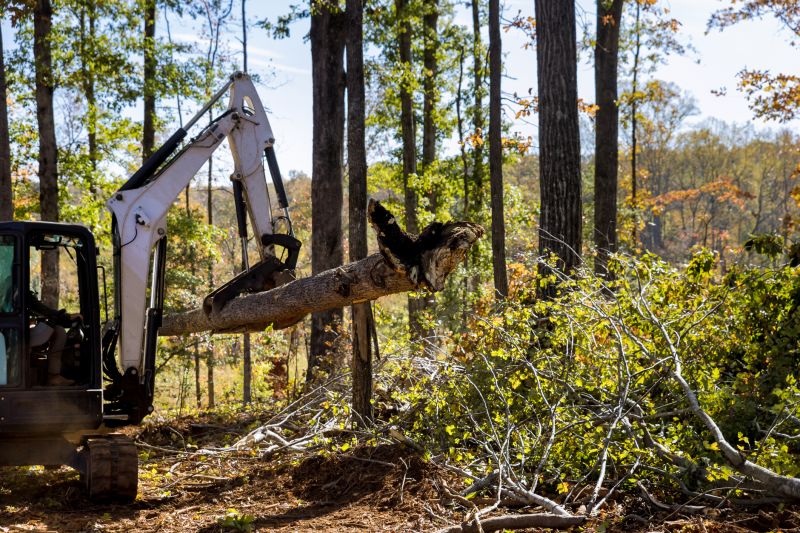
When evaluating professional land clearing services, it’s important to consider the experience of local contractors with similar projects. Land clearing can vary significantly depending on the size of the property, types of vegetation, and specific site conditions. Service providers who have handled comparable projects are more likely to understand the complexities involved, from managing large trees and stumps to navigating terrain challenges. This experience can contribute to smoother project execution and help ensure that the work meets the homeowner’s expectations for safety, efficiency, and thoroughness.
Clear, written expectations are essential when comparing local pros for land clearing. A reputable service provider should be able to provide detailed descriptions of the scope of work, including what is included and what is not. This clarity helps prevent misunderstandings and ensures that homeowners are aware of the process, equipment used, and any potential limitations. Having a comprehensive, written outline also makes it easier to compare different contractors objectively and choose a provider that aligns with the specific needs of the land clearing project.
Reputable references and good communication are key indicators of a reliable local contractor. Asking for references or examples of past work can provide insight into the quality and consistency of their service. Additionally, effective communication throughout the process-such as prompt responses to questions and clear explanations of procedures-can make the project more transparent and manageable. Contractors who prioritize clear dialogue and have a history of satisfied clients are often better equipped to handle the nuances of land clearing projects and deliver results that meet the homeowner’s requirements.
Property owners often search for what’s involved in professional land clearing? when they are planning practical projects around their homes and businesses. Local pros provide Professional Land Clearing services for everyday jobs and straightforward project options.
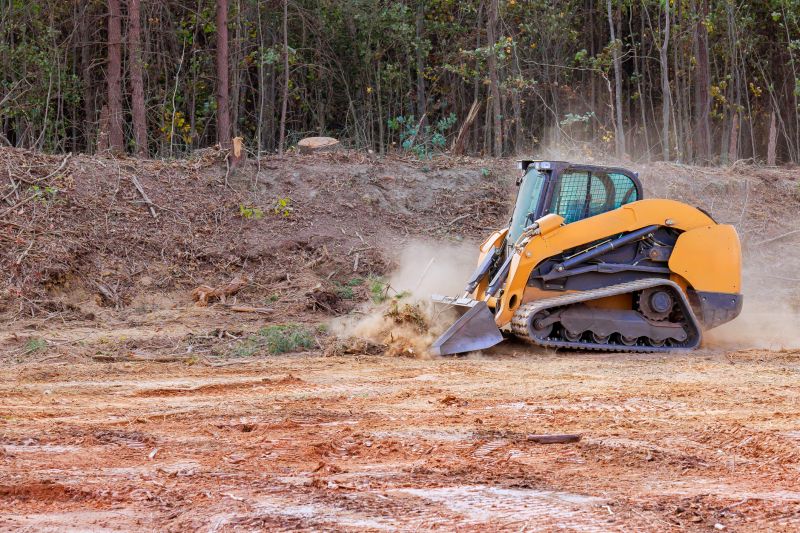
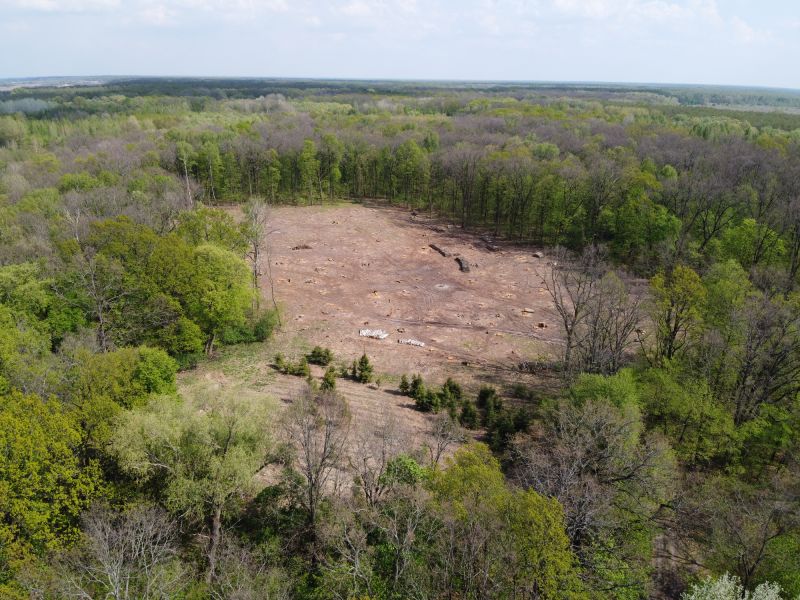
When property owners consider land clearing, they often want to understand what’s involved in professional land clearing to ensure the job is done efficiently and safely. Typical situations include preparing a lot for new construction, removing overgrown brush, or clearing trees to improve accessibility. Local contractors usually handle tasks such as removing trees, bushes, and debris, as well as grading the land to create a level surface. These projects can vary in complexity depending on the size of the property and the density of vegetation, making it important to work with experienced service providers who understand the local terrain and regulations.
Many property owners turn to local pros for land clearing services because they want a thorough, reliable job without the hassle of managing heavy equipment or navigating permits themselves. Professional land clearing often involves using specialized machinery to efficiently remove large trees and stumps, as well as clearing away underbrush and debris. Service providers can also handle site cleanup and prepare the land for future use. For those with questions about what’s involved in professional land clearing, connecting with local contractors can provide clarity and confidence that the project will be completed properly to meet their specific needs.
What tasks are typically involved in professional land clearing? Professional land clearing usually includes removing trees, shrubs, stumps, and debris to prepare a site for development or other uses. Local contractors may also level the land and ensure proper drainage during the process.
How do land clearing services handle large trees and dense vegetation? Experienced service providers use specialized equipment and techniques to safely and efficiently remove large trees and thick vegetation, minimizing impact on the surrounding area.
What equipment is used during professional land clearing? Land clearing often involves equipment like bulldozers, excavators, chainsaws, and stump grinders, which help in efficiently removing and processing vegetation and debris.
Are there any site preparations needed before land clearing begins? Typically, local pros assess the site for obstacles, utility lines, and access points to plan the best approach for clearing and to ensure safety and efficiency.
What safety considerations are involved in land clearing work? Professional contractors prioritize safety by following proper procedures, using protective gear, and managing debris carefully to prevent accidents during the clearing process.
Site assessment and planning - Local contractors evaluate the property to determine the best approach for land clearing, considering factors like terrain and vegetation.
Equipment selection and use - Professionals choose appropriate machinery such as bulldozers or excavators to efficiently clear trees, shrubs, and debris.
Tree and vegetation removal - Land clearing services involve safely cutting down and removing unwanted trees and plants to prepare the land for future use.
Debris disposal and site cleanup - After clearing, experts handle the removal of debris and ensure the land is clean and ready for its next purpose.
If you are thinking about what’s involved in professional land clearing? for a property, this guide is meant to help you understand this topic, the typical project types, and how different options might fit your plans.
When you are ready, you can use the quote form on this page to share a few details about your project. From there, local pros can review the basics and follow up with options that match what you have in mind.